

How to Detect & Manage Kidney Disease in Cats
Kidney disease in cats is one of the most common health challenges veterinarians see, especially in aging feline patients. It’s a progressive condition that gradually impairs the kidneys’ ability to filter toxins, manage hydration, and regulate essential bodily functions. For pet owners, the diagnosis of chronic kidney disease (CKD) can feel overwhelming—but with early detection, consistent monitoring, and the right management plan, many cats can live comfortably for years.
At Heartland Veterinary Hospital in Danville, Kentucky, we’re here to walk you through the process—from recognizing the signs to supporting your cat’s long-term health with personalized, compassionate care.
Why Kidney Function Matters
The kidneys perform several critical functions in your cat’s body:
- Filter waste and toxins from the bloodstream, helping maintain internal balance
- Regulate hydration and electrolyte levels
- Produce hormones like erythropoietin, which stimulate red blood cell production
- Help control blood pressure
When these organs begin to fail, the body can no longer maintain this balance—and signs of illness begin to appear.
Two Main Forms of Kidney Disease
Kidney issues in cats fall into two primary categories:
Acute Kidney Injury (AKI)
This develops suddenly, often due to ingesting toxins (like lilies or antifreeze), infections, or severe dehydration. AKI can sometimes be reversed if treated quickly.
Chronic Kidney Disease (CKD)
More common in cats—especially those over age 7—CKD is a slow, irreversible decline in kidney function. It can’t be cured, but with early diagnosis and ongoing support, the disease can often be managed for an extended period.
For a deeper dive into CKD, visit Cornell Feline Health Center.
Early Warning Signs: What to Watch For
Cats are experts at hiding illness, so subtle changes are often the first clue something is wrong. Early detection is key.
Common Symptoms of Early CKD:
- Increased thirst and more frequent urination
- Weight loss and decreased appetite
- Vomiting or nausea
- Lethargy or less interest in play
- Poor coat condition or dehydration
- Bad breath with a chemical or ammonia-like odor
As the disease progresses, more serious signs may appear:
- Severe muscle wasting
- Anemia (pale gums, weakness)
- Mouth ulcers or drooling
- High blood pressure, which may lead to blindness
- Dehydration that doesn’t improve with fluid intake
Concerned your cat may be anemic? Learn more at Cornell’s Anemia in Cats.
Diagnosing Kidney Disease
When symptoms arise—or during a routine senior wellness check—your veterinarian may recommend the following diagnostics:
- Blood tests to measure SDMA, BUN, and creatinine levels
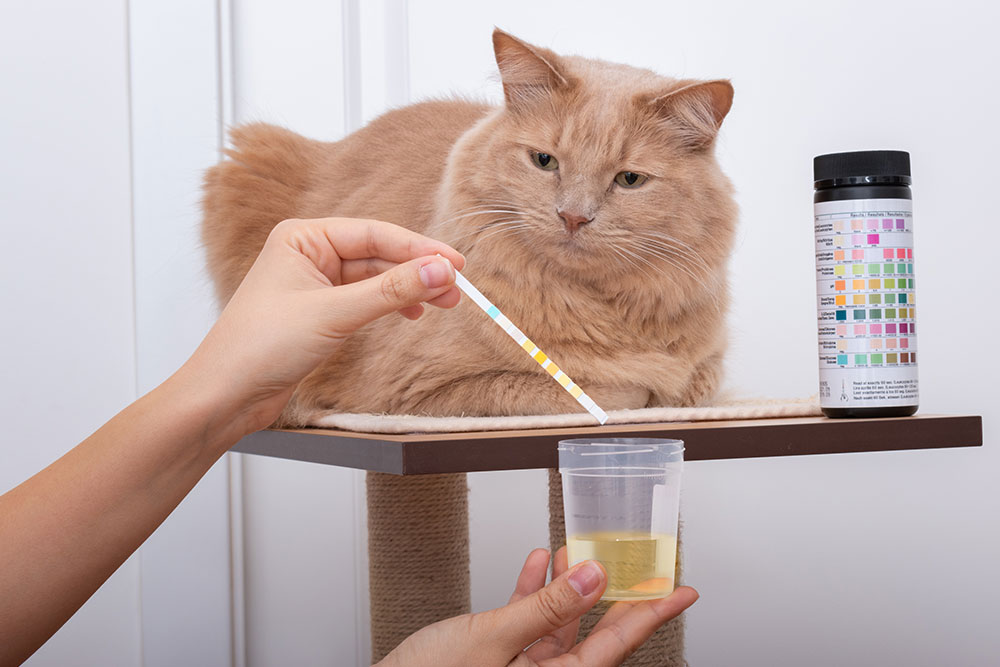
- Urinalysis to evaluate urine concentration and protein loss
- Blood pressure monitoring to assess for hypertension
- Imaging (ultrasound or X-rays) to detect structural changes or polycystic kidney disease
Learn more about PKD
Treatment and Daily Management for CKD
Kidney disease treatment is tailored to your cat’s specific needs and stage of disease. A proactive, multi-pronged approach can slow progression and improve quality of life.
Hydration is Key
- Encourage fluid intake using pet water fountains
- Offer wet food over dry kibble
- Administer subcutaneous fluids at home if recommended
Learn how to give subcutaneous fluids
Therapeutic Kidney Diets
Prescription diets like Hill’s k/d or Royal Canin Renal Support are designed to:
- Lower phosphorus
- Moderate protein
- Add omega-3 fatty acids for inflammation
- Encourage hydration
Medications for Symptom Management
- Amlodipine for high blood pressure
- Phosphate binders to reduce toxin buildup
- Antacids or appetite stimulants as needed
- Erythropoietin injections for anemia
For a full overview of home care, see MSU’s CKD Pet Owner Guide.
Long-Term Monitoring and Follow-Up
Chronic kidney disease requires consistent monitoring:
- Routine bloodwork and urinalysis every 3–6 months
- Blood pressure checks
- Adjusting treatments based on progression
Your veterinary team will help create a plan that evolves with your cat’s needs and stage of disease.
Supporting Quality of Life at Home
Small environmental changes can make a big difference in comfort:
- Use heated beds or blankets to support body temperature
- Offer elevated food and water bowls for arthritic cats
- Keep litter boxes easily accessible and cleaned frequently
- Minimize stress and maintain a quiet, predictable routine
For more guidance on aging pet care, check out AAHA’s Senior Pet Recommendations.
Can Kidney Disease Be Prevented?
While CKD isn’t always preventable, there are steps you can take to protect kidney health:
- Offer fresh water at all times
- Feed wet food or add water to kibble for hydration
- Schedule annual checkups (twice a year for senior cats)
- Avoid nephrotoxic substances like lilies, ibuprofen, and antifreeze
Refer to IRIS CKD Guidelines for more information on prevention and staging.
We’re Here to Help
Feline kidney disease can feel like a lot—but you’re not in it alone. With expert care, supportive monitoring, and at-home adjustments, many cats with CKD go on to live fulfilling, comfortable lives.
If you’re seeing changes in your cat’s habits or appetite—or want to schedule a preventive wellness exam—our team at Heartland Veterinary Hospital is here to help.
Contact us today to schedule an appointment or learn more about managing chronic kidney disease in cats.





Leave A Comment